

How Outreach and Community Inclusion Helped One Client Build Confidence and Connection
When Morgan first connected with the John Howard Society, they were living with a disability that made everyday tasks difficult. Morgan often felt isolated and overwhelmed. They wanted to participate in their community and build greater independence, but they did not know where to start. Leaving home felt stressful. Trying something new felt even harder.
An outreach worker met Morgan where they were most comfortable. Sometimes this meant meeting at home. Sometimes it meant meeting at a nearby park or community space. Each visit began with listening. Staff wanted to understand Morgan’s goals, worries, and hopes for the future.
Building Life Skills Through Gentle, Steady Support
Morgan’s first goal was simple. They wanted to feel confident managing their daily routine. Outreach staff helped break tasks into manageable steps. Together they practiced time management, household organisation, meal planning, and budgeting. Sessions were paced to match Morgan’s comfort level, and staff celebrated progress in small, meaningful ways.
As life skills grew, Morgan began to feel more capable. Tasks that once felt intimidating became part of a weekly rhythm. They learned how to plan ahead, set reminders, and build habits that supported their wellbeing.
Reducing Isolation Through Community Inclusion
Another challenge for Morgan was social isolation. They wanted to meet people, try new activities, and feel connected. Outreach workers introduced them to community inclusion programs offered by the John Howard Society. These programs were created to be welcoming, supportive, and adaptable to different accessibility needs.
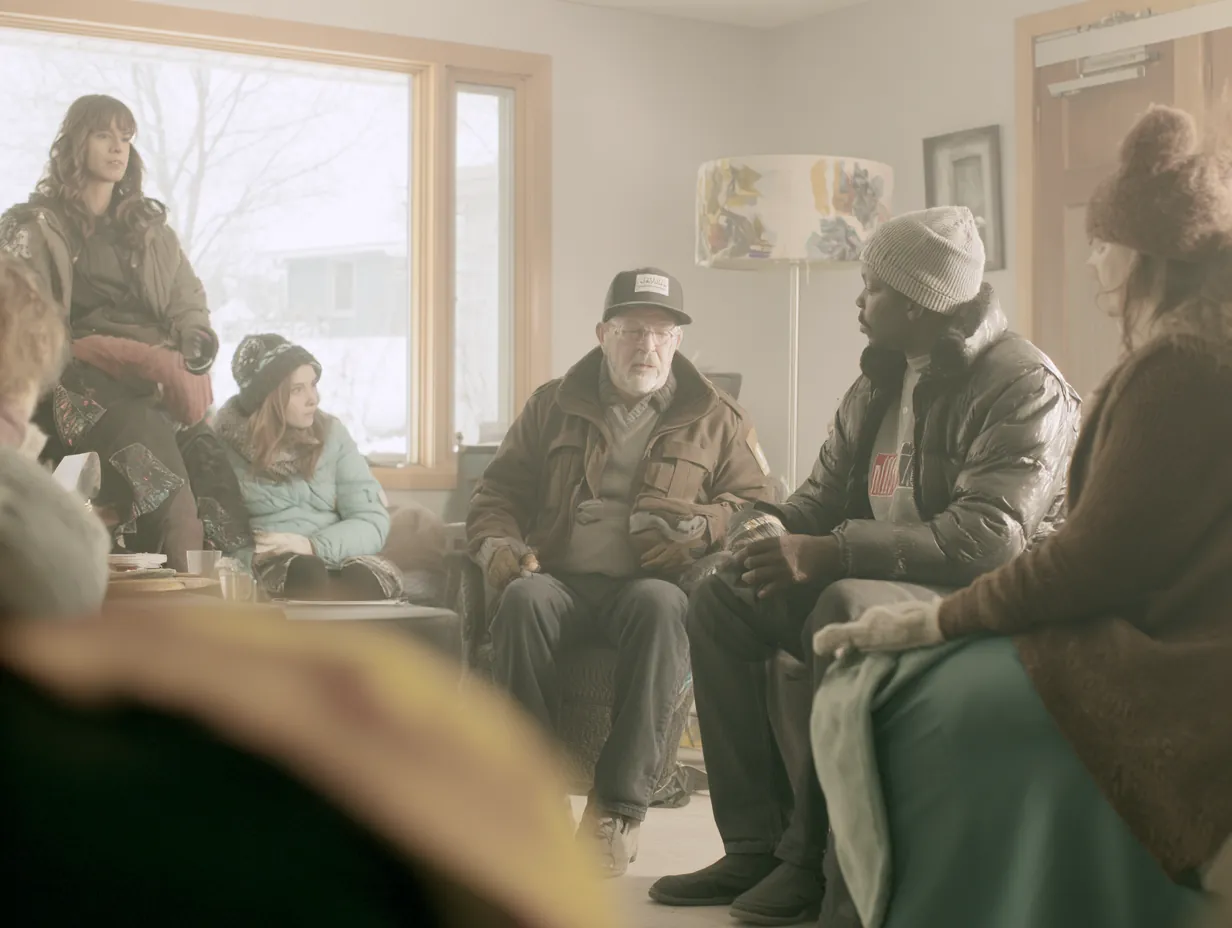
Morgan attended group workshops focused on wellness, creative expression, and communication. Staff ensured these spaces were safe and respectful. Over time, Morgan began forming friendships. They discovered they enjoyed helping others, and they learned how to advocate for themselves in social settings.
Participating in groups helped Morgan see that they were not alone. Others faced similar challenges, and everyone supported one another. These connections became a source of encouragement that continued outside program hours.
Growing Confidence and Independence
As months passed, Morgan set new goals. They wanted to navigate their community with more independence. Outreach workers supported them with travel training, community mapping, and strategies for reducing anxiety. Staff accompanied Morgan on practice outings, then slowly stepped back as Morgan grew more comfortable.
Each milestone brought pride. Grocery trips became easier. Attending appointments became less stressful. Morgan even joined a volunteer program where they helped set up activities for others. This experience strengthened their confidence and allowed them to feel valued within their community.
Thriving With Support That Honors the Whole Person
Today, Morgan lives with greater independence and a stronger network of support. They continue to use life skills they built with outreach staff. They stay involved in community programs that bring joy and connection. Most importantly, they believe in their ability to grow and to shape a future that reflects their strengths.
Morgan often says that progress happened because someone believed in them before they fully believed in themselves. The John Howard Society’s outreach and inclusion programs gave them the tools, encouragement, and safe spaces needed to thrive.
A Story of Belonging and Possibility
Stories like Morgan’s show the impact of community inclusion and trauma-informed outreach. When support is flexible and person centered, individuals can build a life filled with confidence and dignity. Independence is not created in isolation. It grows through connection, patience, and reliable guidance.
Morgan’s journey is a reminder that every person deserves the chance to learn, connect, and feel part of a community that values their presence.
